
| |
|
#1
 04-02-2010, 09:12 AM
|
||||
|
||||
 Ceiling Fan Direction - UGH!
YES I'm ditzy - I can never seem to figure out which way a ceiling fan should for the appropriate season. Mainly summer - today is going to be a warm day and I don't want to turn my AC on if I don't have to (though usually I don't care but ... trying to save some pennies)
This is what I found: "Ceiling Fan Direction GENERAL REMARKS These recommendations depend actually on the height and size of the room, the season and the activity taking place in the room. BASICS The basic fact of nature is that warm air rises to the top and cold air settles on the bottom. Air settles in layers from warm at the top to cold at the bottom, if left alone at equilibrium. RECOMMENDATIONS IN THE WINTER, Set the fan to run counterclockwise (reverse) (this looks clockwise as you are looking up). This will redirect the warm air from the ceiling and down the walls and into the living space where the people actually are. In a house, you would run the fan at a low speed so that you don't actually cool the warm air that you are moving downward. If you have a high ceiling, or are trying to heat a hall or a church, you may want to increase the fan speed so that the warm air will reach the living space as long as the fan speed does not create an unwanted downdraft at the people below. IN THE SUMMER, in rooms of normal height (8 - 10 ft), you should operate your fan so that it turns clockwise (this looks counterclockwise as you are looking up), causing a more directed downdraft, especially with the fan running slightly faster. This causes a wind-chill effect because the skin evaporates slight amounts of water from the sweat glands and thereby provides cooling through the skin's surface. However, the air is only moved but not cooled! You may find that you can turn your thermostat down a degree or two and save more money on energy costs. The air blowing down won't actually cool the room though, so you should turn the fan off when there are no people (or animals) in the room. In a high hall or church it may be best NOT to run the fans at all in summer. This lowers the demand for cooling since the hot layer on top is an excellent insulation between the cool air near the floor (and the people) and the hot roof and outside. A large, tall manufacturing hall would typically have different goals. There one would have a floor full of heat producing machinery plus the people operating it, working hard and welcoming a bit of a breeze. Then it would make sense to run the fans at fairly high speed to create a certain and directed downdraft. And with the shifts going throughout the days of the week, the fans should be running all the time and maybe in all seasons. Finally, fans typically use 80 to 100 watts. When used properly, ceiling fans can really help to optimize the comfort level of the people and save energy and money. Answer The important point from the previous answer is that fans are for cooling people. Advanced Energy (related Link) says that, "The most optimistic estimates I've seen on energy savings from ceiling fans peg the air conditioning savings at about 15%, assuming people do raise the thermostat setting and only run the fans when people are in the room, and taking into account the cost of energy used by the fan itself." So if I'm looking up at the fan, am I turning the damn thing to the left or right? It says to turn it clockwise (but it looks counterclockwise) ???? 
|
| . |
|
|

![Peter Green - In The Skies - Expanded Edition [New CD] Bonus Tracks, Expanded Ve picture](/vintage/img/g/W7IAAeSwD9tpHhmo/s-l225/Peter-Green-In-The-Skies-Expanded-Edition-New-CD-B.jpg)
Peter Green - In The Skies - Expanded Edition [New CD] Bonus Tracks, Expanded Ve
$17.10

CD Peter Green Blue Guitar Castle Communications 1991 Rock Blues
$24.99

Fleetwood Mac - Peter Green’s Fleetwood Mac Simply Vinyl S125032 UK 2005 SEALED
$49.99
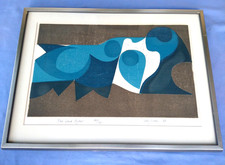
68' Peter Green Woodcut Blue Land Figure Signed #64/100
$1250.00

Peter Millar Crown Comfort Shorts Men's 40 Sage Green Stretch Golf Chino NWT
$56.99


 Threaded Mode