
| |
|
#76
 02-23-2006, 02:51 PM
|
|||
|
|||

Quote:

|
|
#77
02-23-2006, 02:52 PM
|
||||
|
||||
|
Quote:
__________________
~Suzy
|
|
#78
02-23-2006, 02:55 PM
|
|||
|
|||
|
Quote:

|
|
#79
02-23-2006, 02:58 PM
|
||||
|
||||
|
Quote:
 Also, people do not really realize that most places serve similar bill of fares for lunch and dinner and lunch usually way less expensive. So, that is a way to cut down on the perceived cost, which I think stops many people from experiencing many restaurants.
__________________
 save the cheerleader - save the world
|
|
#80
02-23-2006, 02:59 PM
|
||||
|
||||
 Dangit!
Quote:
I remember eating at Seteca's house (his mom is an excellent cook (  ), McDonald's, Burger King, Subway, KFC, Garfunkels (is this American or British? We don't have those in Texas), a hot dog at Earl's Court ( ), Pizza Hut, Dominos (pretty much every American originated place LOL). Their KFC is WAY better than ours. I had no fish and chips, but will have some next time I go. I had some Mark and Spencer sandwiches which were decent as well. I'm REALLY curious about the Mexican food over there...I'll have to try some of that too. ), McDonald's, Burger King, Subway, KFC, Garfunkels (is this American or British? We don't have those in Texas), a hot dog at Earl's Court ( ), Pizza Hut, Dominos (pretty much every American originated place LOL). Their KFC is WAY better than ours. I had no fish and chips, but will have some next time I go. I had some Mark and Spencer sandwiches which were decent as well. I'm REALLY curious about the Mexican food over there...I'll have to try some of that too.
__________________
**Christy**
|
|
#81
02-23-2006, 02:59 PM
|
|||
|
|||
|
Quote:
 Actually, can somebody define to me what, actually, is American cuisine? Every American restaurant over here has something to do with either burgers or melted cheese. I tend to associate American with chargrilled cow products but I can't think of a definite style of food. It's as bad as English food which is mostly fried potato and battered fish along with frozen vegetables... Oh yes. Over cooked meat too. That's why we are big on gravy and sauces. Because all the juice is cooked out of the meat.
|
|
#82
02-23-2006, 03:01 PM
|
||||
|
||||
|
I thought this was interesting:
Food in America By Steven Mintz Food is much more than a mere means of subsistence. It is filled with cultural, psychological, emotional, and even religious significance. It defines shared identities and embodies religious and group traditions. In Europe in the 17th and 18th centuries, food served as a class marker. A distinctive court tradition of haute cuisine and elaborate table manners arose, distinguishing the social elite from the hoi polloi. During the 19th centuries, food became a defining symbol of national identity. It is a remarkable fact that many dishes that we associate with particular countries--such as the tomato-based Italian spaghetti sauce or the American hamburger--are 19th or even 20th century century inventions. The European discovery of the New World represented a momentous turning point in the history of food. Foods previously unknown in Europe and Africa, such as tomatoes, potatoes, corn, yams, cassava, manioc, and a vast variety of beans migrated eastward, while other sources of food, unknown in the Americas--including pigs, sheep, and cattle--moved westward. Sugar, coffee, and chocolate grown in the New World became the basis for the world's first truly multinational consumer-oriented industries. Until the late 19th century, the history of food in America was a story of fairly distinct regional traditions that stemmed largely from England. The country's earliest English, Scottish, and Irish Protestant migrants tended to cling strongly to older food traditions. Yet the presence of new ingredients, and especially contact among diverse ethnic groups, would eventually encourage experimentation and innovation. Nevertheless, for more than two centuries, English food traditions dominated American cuisine. Before the Civil War, there were four major food traditions in the United States, each with English roots. These included a New England tradition that associated plain cooking with religious piety. Hostile toward fancy or highly seasoned foods, which they regarded as a form of sensual indulgence, New Englanders adopted an austere diet stressing boiled and baked meats, boiled vegetables, and baked breads and pies. A Southern tradition, with its high seasonings and emphasis on frying and simmering, was an amalgam of African, English, French, Spanish, and Indian foodways. In the middle Atlantic areas influenced by Quakerism, the diet tended to be plain and simple and emphasized boiling, including boiled puddings and dumplings. In frontier areas of the backcountry, the diet included many ingredients that other English used as animal feed, including potatoes, corn, and various greens. The backcountry diet stressed griddle cakes, grits, greens, and pork. One unique feature of the American diet from an early period was the abundance of meat--and distilled liquor. Abundant and fertile lands allowed settlers to raise corn and feed it to livestock as fodder, and convert much of the rest into whiskey. By the early nineteenth century, adult men were drinking more than 7 gallons of pure alcohol a year. One of the first major forces for dietary change came from German immigrants, whose distinctive emphasis on beer, marinaded meats, sour flavors, wursts, and pastries was gradually assimilated into the mainstream American diet in the form of barbeque, cole slaw, hot dogs, donuts, and hamburger. The German association of food with celebrations also encouraged other Americans to make meals the centerpiece of holiday festivities. An even greater engine of change came from industrialization. Beginning in the late nineteenth century, food began to be mass produced, mass marketed, and standardized. Factories processed, preserved, canned, and packaged a wide variety of foods. Processed cereals, which were originally promoted as one of the first health foods, quickly became a defining feature of the American breakfast. During the 1920s, a new industrial technique--freezing--emerged, as did some of the earliest cafeterias and chains of lunch counters and fast food establishments. Increasingly processed and nationally distributed foods began to dominate the nation's diet. Nevertheless, distinct regional and ethnic cuisines persisted. During the early twentieth century, food became a major cultural battleground. The influx of large numbers of immigrants from Southern and Eastern Europe Progressive Era brought new foods to the United States. Settlement house workers, and food nutritionists, and domestic scientists tried to "Americanize" immigrant diets and teach immigrant wives and mothers "American" ways of cooking and shopping. Meanwhile, muckraking journalists and reformers raised questions about the health, purity, and wholesomeness of food, leading to the passage of the first federal laws banning unsafe food additives and mandating meat inspection. During the nineteenth and early twentieth centuries, change in American foodways took place slowly, despite a steady influx of immigrants. Since World War II, and especially since the 1970s, shifts in eating patterns have greatly accelerated. World War II played a key role in making the American diet more cosmopolitan. Overseas service introduced soldiers to a variety of foreign cuisines, while population movements at home exposed to a wider variety of American foodways. The post-war expansion of international trade also made American diets more diverse, making fresh fruits and vegetables available year round. Today, food tends to play a less distinctive role in defining ethnic or religious identity. Americans, regardless of religion or region, eat bagels, curry, egg rolls, and salsa--and a Thanksgiving turkey. Still, food has become--as it was for European aristocrats--a class marker. For the wealthier segments of the population, dining often involves fine wines and artistically prepared foods made up of expensive ingredients. Expensive dining has been very subject to fads and shifts in taste. Less likely to eat German or even French cuisine, wealthier Americans have become more likely to dine on foods influenced by Asian or Latin American cooking. Food also has assumed a heightened political significance. The decision to adopt a vegetarian diet or to eat only natural foods has become a conscious way to express resistance to corporate foods. At the same time, the decision to eat particular foods has become a conscious way to assert one's ethnic identity. http://www.digitalhistory.uh.edu/historyonline/food.cfm
__________________
save the cheerleader - save the world
|
|
#83
02-23-2006, 03:03 PM
|
||||
|
||||
 Lol
Lol
American cuisine. Hard to define really. Perhaps steak and potatoes is Southern cuisine defined. I'm Southern and I hate steak.
 If you think about it...America is....the rest of the world in one place. Everyone from Europe, South America, Canada, the Middle East, the Far East, etc. came over here and brought their food with them. Mix in the Native Americans cuisine and it's a vast smorgasbord of goodness. 
__________________
**Christy** Last edited by wondergirl9847; 02-23-2006 at 03:07 PM..
|
|
#84
02-23-2006, 03:05 PM
|
|||
|
|||
|
Quote:
Quote:
|
|
#85
02-23-2006, 03:06 PM
|
||||
|
||||
|
American food is pretty much a burger and fries or pizza, that's about it. We don't have a lot of our own foods, just what the melting pot has brought together. I guess corn is uniquely American since it was created here. I've never really had any Native American foods but I suppose they would count as well.
__________________
~Suzy
|
|
#86
02-23-2006, 03:09 PM
|
|||
|
|||
|
Quote:

|
|
#87
02-23-2006, 03:11 PM
|
|||
|
|||
|
Quote:
|
|
#88
02-23-2006, 03:17 PM
|
||||
|
||||
|
Quote:
__________________
~Suzy
|
|
#89
02-23-2006, 03:50 PM
|
||||
|
||||
|
Quote:
|
|
#90
02-23-2006, 03:52 PM
|
|||
|
|||
|
Quote:
Give us another ten years to get educated. We are still stuck in the burger, fries and pizza years...
|
 |
|
|

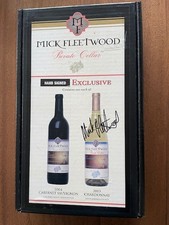
Mick Fleetwood Mac Autographes (3) Private Cellar Wine Box and Bottles Plus Info
$101.00

Sealed Mick Fleetwood My Twenty-Five Years in Fleetwood Mac HC 1992 Ltd Hyperion
$99.00
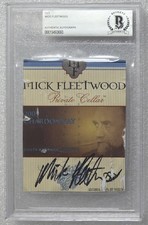
MICK FLEETWOOD SIGNED WINE LABEL BECKETT BAS COA AUTOGRAPHED SLABBED MAC SINGER
$235.00

MICK FLEETWOOD Signed Autograph Book "Play On" .
$88.99

Pristine Pair 12" Mick Fleetwood Mac Custom Remo Autograph Drumheads MF Logo NOS
$200.00


 lol.
lol.
 Linear Mode

