
| |
|
#1
 01-19-2005, 05:40 PM
|
|||
|
|||
 The Bible Search Thread
Here’s something I’d like to offer to those truly interested in what the bible has to say on certain subject. I have a bible study computer program I can use to search a topic of your choice.
It cross references 6 translations of the bible, and 22 reference titles. It has about 50 other books I can tree into one search. Atlases, history, dictionaries, concordances, and many other references. Try to keep the search to 1 or 2 words because it will bring up literally thousands of references to most given words. I can search you’re topic and paste it in this thread. I’m busy with work but if you’re interested in something and are willing to check back I’ll post it here as time allows. Please keep in mind if you fill this thread with useless posts other members will have to go through pages of junk to read what I posted on they’re search subject. I’m willing to take time out of my day to do this for you. A short comment about what you thought about what I found is nice, but if this takes off with useless posts I’ll cease it. I have more important things to get to. If you’re serious and are truly wondering what the bible has to say post your subject. Remember try to keep it one word. This program is huge. 
|
| . |
|
01-19-2005, 06:05 PM
|
| DeadliestPoison |
|
This message has been deleted by DeadliestPoison.
|
|
#2
01-19-2005, 06:24 PM
|
|||
|
|||
|
Quote:
 Does it give you the option to search? Bible and church history Commentaries Dictionaries Encyclopedias Scripture knowledge Quotations Who’s who in Christianity My program allows these.
|
|
#3
01-19-2005, 06:38 PM
|
|||
|
|||
|
This program gives me the option to take a virtual trip through the Holy Land too. On the trip it tracks mileage and draws a map for you as you go. It shows all the places having biblical significance and has a photo tour that guides you through whatever route you decide to take.
This program is 3 years old so I’ll bet the newer programs are fascinating. It was well worth the $70? I paid for it.
|
|
#5
01-19-2005, 08:02 PM
|
|||
|
|||
|
Quote:
I’m not going to fill this thread with my searches, but if someone wants me to search a word or persons name I’ll do it. Some random smilies come up in this post but its not my doing.  You can search by verse or by using key words. If the search is kept simple with one key word it’s pretty easy. It searches everything on the CD that matches you’re key word. Here’s an example from the key word “prayer”….. PRAYER (Asking, Communicating, Meditating) THE MYSTERY OF PRAYER What is prayer? BIBLE READING: Genesis 18:16-33 KEY BIBLE VERSE: So the other two went on toward Sodom, but the Lord remained with Abraham a while. Then Abraham approached him and said, “Will you kill good and bad alike? Suppose you find fifty godly people there within the city—will you destroy it, and not spare it for their sakes?” (Genesis 18:22-24, TLB) Prayer is an opportunity to bring our will into line with God’s plan. Did Abraham change God’s mind? Of course not. The more likely answer is that God changed Abraham’s mind. Abraham knew that God is just and that he punishes sin, but he may have wondered about God’s mercy. Abraham seemed to be probing God’s mind to see how merciful he really was. He left his conversation with God convinced that God was both kind and fair. Our prayers won’t change God’s mind, but they may change ours just as Abraham’s prayer changed his. Prayer helps us better understand the mind of God. Prayer is an opportunity to demonstrate our trust in God. Why did God let Abraham question his justice and intercede for a wicked city? Abraham knew that God must punish sin, but he also knew from experience that God is merciful to sinners. God knew there were not ten righteous people in the city, but he was merciful enough to allow Abraham to intercede. He was also merciful enough to help Lot, Abraham’s nephew, get out of Sodom before it was destroyed. God does not take pleasure in destroying the wicked, but he must punish sin. He is both just and merciful. We should be thankful that God’s mercy extends to us. BIBLE READING: Psalm 4:1-8 KEY BIBLE VERSE: Mark this well: The Lord has set apart the redeemed for himself. Therefore he will listen to me and answer when I call to him. (Psalm 4:3, TLB) Prayer is speaking with God. The godly are those who are faithful and devoted to God. David knew that God would hear him when he called and would answer him. We too can be confident that God listens to our prayers and answers when we call on him. Sometimes we think that God will not hear us because we have fallen short of his high standards for holy living. But if we have trusted Christ for salvation, God has forgiven us, and he will listen to us. When you feel as though your prayers are bouncing off the ceiling, remember that as a believer, you have been set apart by God—and he loves you. He hears and answers, although his answers may not be what you expect. Look at your problems in the light of God’s power instead of looking at God in the shadow of your problems. BIBLE READING: Hebrews 4:14-16 KEY BIBLE VERSE: So let us come boldly to the very throne of God and stay there to receive his mercy and to find grace to help us in our times of need. (Hebrews 4:16, TLB) Prayer is an awesome privilege. Prayer is our approach to God, and we are to come boldly. Some Christians approach God meekly with heads hung low, afraid to ask him to meet their needs. Others pray flippantly, giving little thought to what they say. Come with reverence because he is your King. But also come with bold assurance because he is your Friend and Counselor. MOTIVES FOR PRAYER Why should we pray? BIBLE READING: Genesis 25:19-34 KEY BIBLE VERSE: Isaac pleaded with Jehovah to give Rebekah a child, for even after many years of marriage she had no children. Then at last she became pregnant. (Genesis 25:21, TLB) Prayer reflects our dependence on God. As Isaac pleaded with God for children, so the Bible encourages us to ask—and even plead—for our most personal and important requests. God wants to grant our requests, but he wants us to ask him. Even then, as Isaac learned, God may decide to withhold his answer for a while in order to (1) deepen our insight into what we really need, (2) broaden our appreciation for his answers, or (3) allow us to mature so we can use his gifts more wisely. BIBLE READING: Exodus 17:1-7 KEY BIBLE VERSE: But, tormented by thirst, they cried out, “Why did you ever take us out of Egypt? Why did you bring us here to die, with our children and cattle too?” (Exodus 17:3, TLB) Prayer is far better than complaining to each other. Again the people of Israel complained about their problem instead of praying. They had followed God’s leading into the desert, but now were doubting his ability to take care of them. Some problems can be solved by careful thought or by rearranging our priorities. Some can be solved by discussion and good counsel. But some problems can be solved only by prayer. We should make a determined effort to pray when we feel like complaining, because complaining only raises our level of stress. Prayer quiets our thoughts and emotions and prepares us to listen. BIBLE READING: Judges 16:23-31 KEY BIBLE VERSE: Then Samson prayed to the Lord and said, “O Lord Jehovah, remember me again—please strengthen me one more time, so that I may pay back the Philistines for the loss of at least one of my eyes.” (Judges 16:28, TLB) Prayer can restore relationship with God. In spite of Samson’s past, God still answered his prayer and destroyed the pagan temple and worshipers. God still loved him. He was willing to hear Samson’s prayer of confession and repentance and use him this final time. One of the effects of sin in our life is to keep us from feeling like praying. But perfect moral behavior is not a condition for prayer. Don’t let guilt feelings over sin keep you from your only means of restoration. No matter how long you have been away from God, he is ready to hear from you and restore you to a right relationship. Every situation can be salvaged if you are willing to turn again to him. If God could still work in Samson’s situation, he can certainly make something worthwhile out of yours. METHODS OF PRAYER How should we pray? BIBLE READING: Ezra 8:1-36 KEY BIBLE VERSE: Then I declared a fast while we were at the Ahava River so that we would humble ourselves before our God; and we prayed that he would give us a good journey and protect us, our children, and our goods as we traveled. (Ezra 8:21, TLB) We should pray with an attitude of deep respect for God. Ezra knew God’s promises to protect his people, but he didn’t take them for granted. He also knew that God’s blessings are appropriated through prayer; so Ezra and the people humbled themselves by fasting and praying. And their prayers were answered. Fasting humbled them because going without food was a reminder of their complete dependence on God. Fasting also gave them more time to pray and meditate on God. Too often we pray glibly and superficially. Serious prayer, by contrast, requires concentration. It puts us in touch with God’s will and can really change us. Without serious prayer, we reduce God to a quick-service pharmacist with painkillers for our every ailment. BIBLE READING: Nehemiah 2:1-10 KEY BIBLE VERSE: “Well, what should be done?” the king asked. With a quick prayer to the God of heaven, I replied, “If it please Your Majesty and if you look upon me with your royal favor, send me to Judah to rebuild the city of my fathers!” (Nehemiah 2:4, TLB) We should pray with confidence in God’s grace. With little time to think, Nehemiah immediately prayed. Eight times in this book we read that he prayed spontaneously (2:4; 4:4-5, 9; 5:19; 6:14; 13:14, 22, 29). Nehemiah prayed at any time, even while talking with others. He knew that God is always in charge, is always present, and hears and answers every prayer. Nehemiah could confidently pray throughout the day because he had established an intimate relationship with God during times of extended prayer (1:4-7). If we want to reach God with our emergency prayers, we need to take time to cultivate a strong relationship with God through times of in-depth prayer. BIBLE READING: Matthew 6:5-15 KEY BIBLE VERSE: Don’t recite the same prayer over and over as the heathen do, who think prayers are answered only by repeating them again and again. Remember, your Father knows exactly what you need even before you ask him! (Matthew 6:7-8, TLB) We should pray with humility and sincerity. Some people, especially the religious leaders, wanted to be seen as “holy,” and public prayer was one way to get attention. Jesus saw through their self-righteous acts, however, and taught that the essence of prayer is not public style, but private communication with God. There is a place for public prayer, but to pray only where others will notice you indicates that your real audience is not God. BIBLE READING: Colossians 1:1-14 KEY BIBLE VERSE: Whenever we pray for you, we always begin by giving thanks to God the Father of our Lord Jesus Christ, for we have heard how much you trust the Lord, and how much you love his people. (Colossians 1:3-4, TLB) We should pray for others. Sometimes we wonder how to pray for missionaries and other leaders we have never met. Paul had never met the Colossians, but he faithfully prayed for them. His prayers teach us how to pray for others, whether we know them or not. We can request that they (1) understand God’s will, (2) gain spiritual wisdom, (3) please and honor God, (4) bear good fruit, (5) grow in the knowledge of God, (6) be filled with God’s strength, (7) have great endurance and patience, (8) stay full of Christ’s joy, and (9) give thanks always. All believers have these same basic needs. When you don’t know how to pray for someone, use Paul’s prayer pattern for the Colossians. MODEL PRAYERS What are the characteristics of prayers in the Bible? BIBLE READING: Joshua 7:1-26 KEY BIBLE VERSE: Then Joshua tore his clothes and fell facedown to the ground before the ark of the LORD, remaining there till evening. The elders of Israel did the same, and sprinkled dust on their heads. (Joshua 7:6, NIV) Biblical prayers are marked by humility. Joshua and the elders tore their clothing and sprinkled dust on their heads as signs of deep mourning before God. They were confused by their defeat at the small city of Ai after the spectacular Jericho victory, so they went before God in deep humility and sorrow to receive his instructions. When our life falls apart, we also should turn to God for direction and help. Like Joshua and the elders, we should humble ourself so that we will be able to hear his words. Biblical prayers are marked by honesty. Imagine praying this way to God. This is not a formal church prayer; it is the prayer of a man who is afraid and confused by what is happening around him. Joshua poured out his real thoughts to God. Hiding your needs from God is ignoring the only one who can really help. God welcomes your honest prayers and wants you to express your true feelings to him. Any believer can become more honest in prayer by remembering that God is all-knowing and all-powerful and that his love is everlasting. BIBLE READING:2 Chronicles 6:1-42 KEY BIBLE VERSE: O Lord God of Israel, there is no God like you in all of heaven and earth. You are the God who keeps his kind promises to all those who obey you, and who are anxious to do your will. (2 Chronicles 6:14, TLB) Biblical prayers are wide-ranging and specific. As Solomon led the people in prayer, he asked God to hear their prayers concerning a variety of situations: (1) crime (6:2-23); (2) enemy attacks (6:24-25); (3) drought (6:26-27); (4) famine (6:28-31); (5) the influx of foreigners (6:32-33); (6) war (6:34-35); (7) sin (6:36-39). God is concerned with whatever we face, even the difficult consequences we bring upon ourself. He wants us to turn to him in prayer. When you pray, remember that God hears you. Don’t let the extremity of your situation cause you to doubt his care for you. BIBLE READING: Matthew 6:5-15 KEY BIBLE VERSE: This, then, is how you should pray: “Our Father in heaven, hallowed be your name, your kingdom come, your will be done on earth as it is in heaven. Give us today our daily bread. . . . And lead us not into temptation, but deliver us from the evil one.” (Matthew 6:9-13, NIV) Biblical prayer is personal. The phrase “Our Father in heaven” indicates that God is not only majestic and holy, but also personal and loving. The first line of this model prayer is a statement of praise and a commitment to hallow, or honor, God’s holy name. We can honor God’s name by being careful to use it respectfully. If we use God’s name lightly, we aren’t remembering God’s holiness. Biblical prayer recognizes God’s position. The phrase “Your kingdom come” is a reference to God’s spiritual reign, not Israel’s freedom from Rome. God’s kingdom was announced in the covenant with Abraham (8:11; Luke 13:28), is present as Christ reigns in the believer’s heart (Luke 17:21), and will be complete when all evil is destroyed and God establishes the new heaven and earth (Revelation 21:1). Biblical prayer recognizes our position. When we pray “Your will be done,” we are not resigning ourself to fate, but praying that God’s perfect purpose will be accomplished in this world as well as in the next. Biblical prayer demonstrates complete dependence. When we pray, “Give us today our daily bread,” we are acknowledging that God is our sustainer and provider. It is a misconception to think that we provide for our own needs . We must trust God daily to provide what he knows we need. Biblical prayer asks God for guidance. God doesn’t lead us into temptations, but sometimes he allows us to be tested by them. As disciples, we should pray to be delivered from these trying times and from Satan (“the evil one”) and his deceit. All Christians struggle with temptation. Sometimes it is so subtle that we don’t even realize what is happening to us. God has promised that he won’t allow us to be tempted beyond what we can bear (1 Corinthians 10:13). Ask God to help you recognize temptation and to give you strength to overcome it and choose God’s way instead. BIBLE READING: John 17:1-26 KEY BIBLE VERSE: I am not praying for these alone but also for the future believers who will come to me because of the testimony of these. My prayer for all of them is that they will be of one heart and mind, just as you and I are, Father—that just as you are in me and I am in you, so they will be in us, and the world will believe you sent me. (John 17:20-21, TLB) Biblical prayer recognizes the spiritual warfare around us. This entire chapter is Jesus’ prayer. From it, we learn that the world is a tremendous battleground where the forces under Satan’s power and those under God’s authority are at war. Satan and his forces are motivated by bitter hatred for Christ and his forces. Jesus prayed for his disciples, including those of us who follow him today. He prayed that God would keep his chosen believers safe from Satan’s power, setting them apart and making them pure and holy, uniting them through his truth. Biblical prayer is not escape from the world. Jesus didn’t ask God to take believers out of the world, but instead to use them in the world. Because Jesus sends us into the world, we should not try to escape from the world, nor should we avoid all relationships with non-Christians. We are called to be salt and light (Matthew 5:13-16), and we are to do the work that God sent us to do. Biblical prayer binds us with other believers. Jesus prayed for all who would follow him, including you and others you know. He prayed for unity (17:11), protection from the evil one (17:15), and sanctity (holiness) (17:17). Knowing that Jesus prayed for us should give us confidence as we work for his kingdom. Related topics: CONFESSION, PRAISE, THANKFULNESS Last edited by ½ ¡Ñ§ÅñË ®; 01-19-2005 at 08:42 PM..
|
|
#6
01-19-2005, 08:37 PM
|
||||
|
||||
|
I personally like this one www.religioustolerance.org - I like it because it shows both sides. But, there seemingly are as many courses as there are versions of The Bible over the last 6000 or so years (remember the first 4000 or so was the Jewish text)

|
|
#7
01-19-2005, 08:48 PM
|
|||
|
|||
|
Quote:
|
|
01-19-2005, 10:01 PM
|
| DeadliestPoison |
|
This message has been deleted by DeadliestPoison.
|
|
#8
01-19-2005, 10:05 PM
|
||||
|
||||
|
Quote:
|
|
#9
01-19-2005, 10:20 PM
|
|||
|
|||
|
I looked at it. No Thanks.

|
|
#10
01-19-2005, 10:43 PM
|
||||
|
||||
|
Quote:
I posted it over at phatmass.com and they all laughed.
__________________

|
|
#11
01-19-2005, 11:34 PM
|
|||
|
|||
|
That looks like a nice site and message board. I'm a member of bibleforums.org.
|
|
#12
01-20-2005, 12:07 AM
|
|||
|
|||
|
Quote:
It’s a great online bible search tool. Thanks.
|
|
#13
01-20-2005, 09:28 PM
|
|||
|
|||
|
OK - here's one I've always wondered about.
Does the Bible have any references/stories about drugs? I know there are references to alcohol, but what about heroin, hash, opium, marijuana, etc. Or maybe substance abuse in general?
|
|
#14
01-21-2005, 09:11 AM
|
|||
|
|||
|
DRINKING (Alcoholism, Drunkenness, Inebriation)
What warnings about drinking are in the Bible? BIBLE READING: Genesis 9:20-29 KEY BIBLE VERSE: When he drank some of its wine, he became drunk and lay uncovered inside his tent. (Genesis 9:21, NIV) Drinking can lead to many negative consequences. Noah, the great hero of faith, got drunk—a poor example of godliness to his sons. Perhaps this story is included to show us that even godly people can sin and that their bad influence affects their families. Although the wicked people had all been killed, the possibility of evil still existed in the hearts of Noah and his family. Ham’s mocking attitude revealed a severe lack of respect for his father and for God. BIBLE READING: Proverbs 23:29-35 KEY BIBLE VERSE: Whose heart is filled with anguish and sorrow? Who is always fighting and quarreling? Who is the man with bloodshot eyes and many wounds? It is the one who spends long hours in the taverns, trying out new mixtures. (Proverbs 23:29-30, TLB) Drinking is only a temporary escape. The soothing comfort of alcohol is only temporary. Real relief comes from dealing with the cause of the anguish and sorrow and turning to God for peace. Don’t lose yourself in alcohol; find yourself in God. The Bible is cautious about the use of alcohol. Israel was a wine-producing country. In the Old Testament, winepresses bursting with new wine were considered a sign of blessing (3:10). Wisdom is even said to have set her table with wine (9:2, 5). But the Old Testament writers were alert to the dangers of wine. It dulls the senses; it limits clear judgment (31:1-9); it lowers the capacity for control (4:17); it destroys a person’s efficiency (21:17). To make wine an end in itself, a means of self-indulgence, or as an escape from life is to misuse it and invite the consequences of the drunkard. BIBLE READING: Ephesians 5:15-20 KEY BIBLE VERSE: Don’t drink too much wine, for many evils lie along that path; be filled instead with the Holy Spirit and controlled by him. (Ephesians 5:18, TLB) The Bible offers a powerful alternative to drinking. Paul contrasts getting drunk with wine, which produces a temporary “high,” to being filled with the Spirit, which produces lasting joy. Getting drunk with wine is associated with the old way of life and its selfish desires. In Christ, we have a better joy, higher and longer lasting to cure our depression, monotony, or tension. We should not be concerned with how much of the Holy Spirit we have, but how much of us the Holy Spirit has. Submit yourself daily to his leading and draw on his power.
|
|
#15
01-21-2005, 09:12 AM
|
|||
|
|||
|
I did have this come up for “OPIUM” Surprised me. See “GALL” below.
Plants 1. Aloe (Ps. 45:8; Prov. 7:17; Jn. 19:38-40). A succulent plant with thick, fleshy leaves and a tall stem with many bell-shaped flowers. Used for purifying the bodies of the dead. 2. Anise (Mt. 23:23). 3. Balm (Gen. 37:25; Jer. 8:22). An evergreen shrub with white blossoms and apple-like fruit. Gum resin from its bark was used for medicinal purposes. 4. Barley (Ruth 1:22; 2 Ki. 7:1, 16, 18; Jn. 6:1-13). A staple cereal. 5. Briar (Jdg. 8:7, 16). 6. Bulrush (Ex. 2:3). A tall plant whose stems were used for paper making. 7. Calamus (Song of Sol. 4:14; Ezek. 27:19). It comes from the reed and cane family. Strong-smelling oil was taken from its root. 8. Coriander (Ex. 16:31; Num. 11:6-9). It has leaves like parsley, white or pinkish flowers, and a rounded gray seed which contains a valuable oil used for flavoring or perfume. 9. Cumin (Isa. 28:27; Mt. 23:23). A small delicate plant, used for medicinal purposes and spice for food. 10. Flax (Ex. 9:31; 26:1; 28:6; Josh. 2:6; Prov. 31:13). A plant used to make linen. 11. Gall (Ps. 69:21; Mt. 27:34). It is thought this may have been a plant related to the opium poppy. 12. Garlic (Num. 11:5). Used as food flavoring. 13. Gourd (2 Ki. 4:39; Jonah 4:6-10). A large (eight to ten foot high) bush with rich green or bronze leaves, with bright red fruit. Its oil was used for fuel for lamps. 14. Grass (Ps. 103:15). 15. Henna (Song of Sol. 1:14; 4:13, RSV). A shrub which produces white scented flowers, used to color the hair or fingernails in reddish and yellowish hues. 16. Hyssop a. Old Testament hyssop (Ex. 12:22; Lev. 14:4; Ps. 51:7). This was a plant of the mint family, with small leaves and bunches of golden flowers. It was used for sprinkling blood, for cleansing lepers, and for other rites of purification. b. New Testament hyssop (Jn. 19:29). A tall, yellow-green plant with strong stems and ribbon-like leaves. 17. Leeks (Num. 11:5). A favorite onion-resembling vegetable in Palestine, also used for medicinal purposes. 18. Lentils (Gen. 25:34; 2 Sam. 17:28; 23:11; Ezek. 4:9). It has the appearance of a pea and is used as a cereal or for making bread. 19. Lilies (Mt. 6:28). A beautiful purple flower. 20. Mandrake (Gen. 30:14-16). 21. Mint (Mt. 23:23). A small leaf plant used for medicinal, flavoring, and perfume purposes. 22. Mustard (Mt. 13:13-32; 17:20). A yellow-flowered plant whose leaves were used as a vegetable. 23. Myrrh (Mt. 2:11). The resin, or drippings of a thorny bush, with thin bark. 24. Pomegranate (Ex. 28:31-34). A wild shrub with dark green, shiny leaves, and bright red, wax-like flowers. The fruit is dark red in color, about the size of an orange. It was used as a medicine and for food. 25. Reed (Ezek. 40:3; Isa. 18:2). A tall plant with purple blossoms, used as a measuring device, and to make pens for writing purposes. 26. Rose (Isa. 35:1; Song of Sol. 2:1). The famous Rose of Sharon was a beautiful tulip-like flower with bright red blossoms. 27. Rue (Lk. 11:42). A five foot tall plant with dusters of bright yellow flowers, used as a disinfectant, as flavoring, and for medicinal remedies. 28. Rush (Job 8:11; Isa. 35:7). A flowery plant used to make baskets, wicker chair seats, etc. 29. Scarlet (Lev. 14:51). A large evergreen shrub, the shoots of which are the breeding ground of an insect from which a scarlet dye is taken. The bark of the tree yields a black dye. 30. Spikenard (Song of Sol. 1:12; 4:14; Mk. 14:3-6). A small plant with hairy stems from which the costly, sweet-smelling ointment which bears its name is taken. 31. Tares (Job 31:40; Mt. 13:24-30, 36-43). One of the most destructive weeds of the Holy Land. The seeds often contain a poisonous fungus which when eaten produces dizziness, nausea, and sometimes even death. 32. Thistle (Gen. 3:18; Hosea 10:8; Mt. 7:16; Heb. 6:8). A tall weed with yellow flowers and a spiny stem. 33. Thorns (Mt. 7:16). 34. Vine (Isa. 5:2-7; Jn. 15:1-8). 35. Wheat (Gen. 41:1-7).
|
 |
|
|


Billy Burnette Lp Self Titled On Columbia - Vg+ To Vg++ / Vg++
$11.99

BILLY BURNETTE - GIMME YOU - 1981 COLUMBIA RECORDS VINYL ALBUM - (VG/VG+)
$5.00

Billy Burnette - Self-Titled LP - 1980 1st Pressing 12" Columbia LP + Lyrics VG+
$4.50
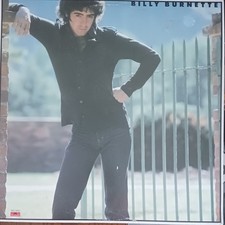
BILLY BURNETTE - (SELF- TITLED) - 1979 POLYDOR RECORDS PROMO VINYL LP - (VG/VG)
$5.50
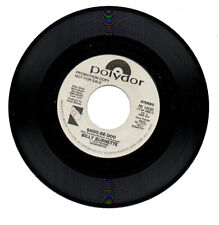
BILLY BURNETTE 45 RPM Promo Record "SHOO-BE-DOO" 1978 Rock Unplayed MINT
$6.70


 Linear Mode

